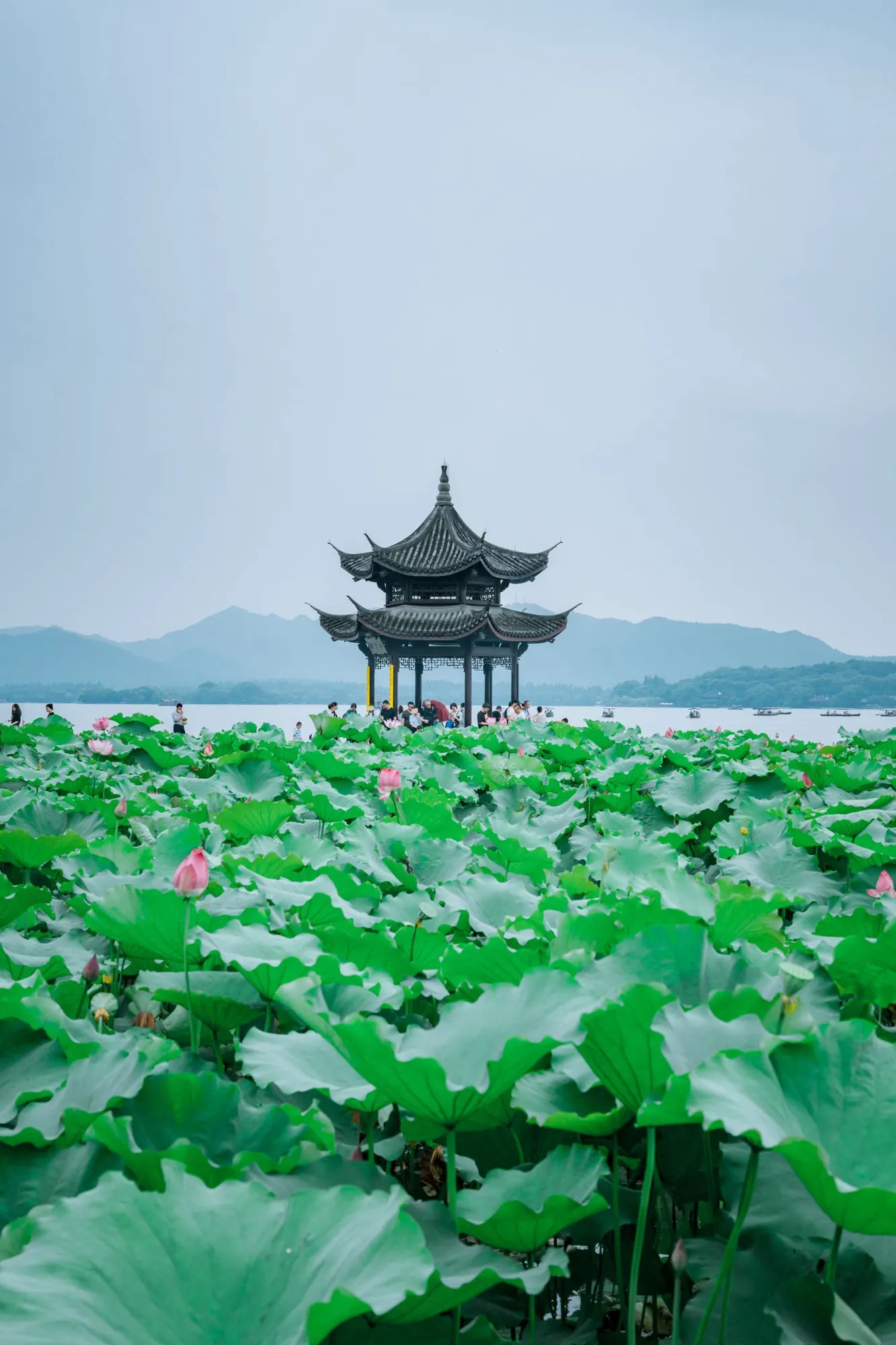
The lake gave the city tea. Tea gave it a scholar's culture. That culture travelled up the hills into workshops — and back down into the village kitchen. Follow the water and you will understand Hangzhou in a single day.
Hangzhou is easy to visit badly. Most people see the lake, take a boat, and leave with a photograph. But the city's real life is arranged along a line: from the tea hills above the lake, through the scholar's lane behind it, up into the hillside workshops, and down again to a village table.
We have built nine experiences along that line. Each one is small, hands-on, and led by someone who still does the work themselves — a grower, a seal master, a monk, a family of puppeteers. Read the four chapters below, then choose where to begin.
Every experience can be booked on its own, or combined into the routes further down this page.
A private, paced walk through the canal streets and the stories underneath them.
Three hours with the person who still makes it. Leave with something you made.
A half-day check-up or a restorative session, added to the trip. Never the point of it.
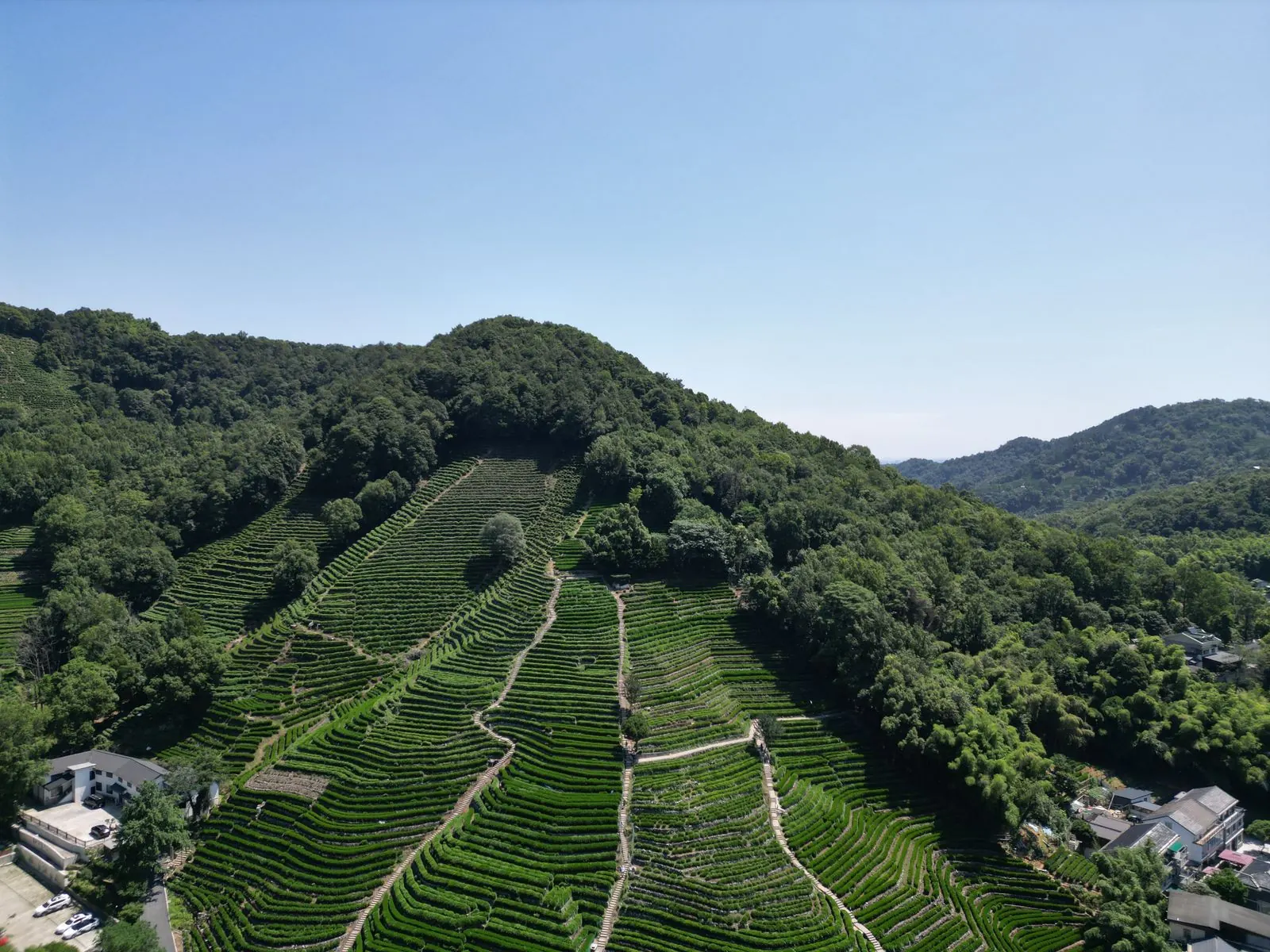
Hangzhou is a city that tastes of its own hills. Longjing is not just a tea here — it is a calendar. In spring the whole city waits for the first picking; by summer the leaves have been pan-fried and sealed and shipped. To understand this place, start on a terrace above the lake with a basket in your hand.
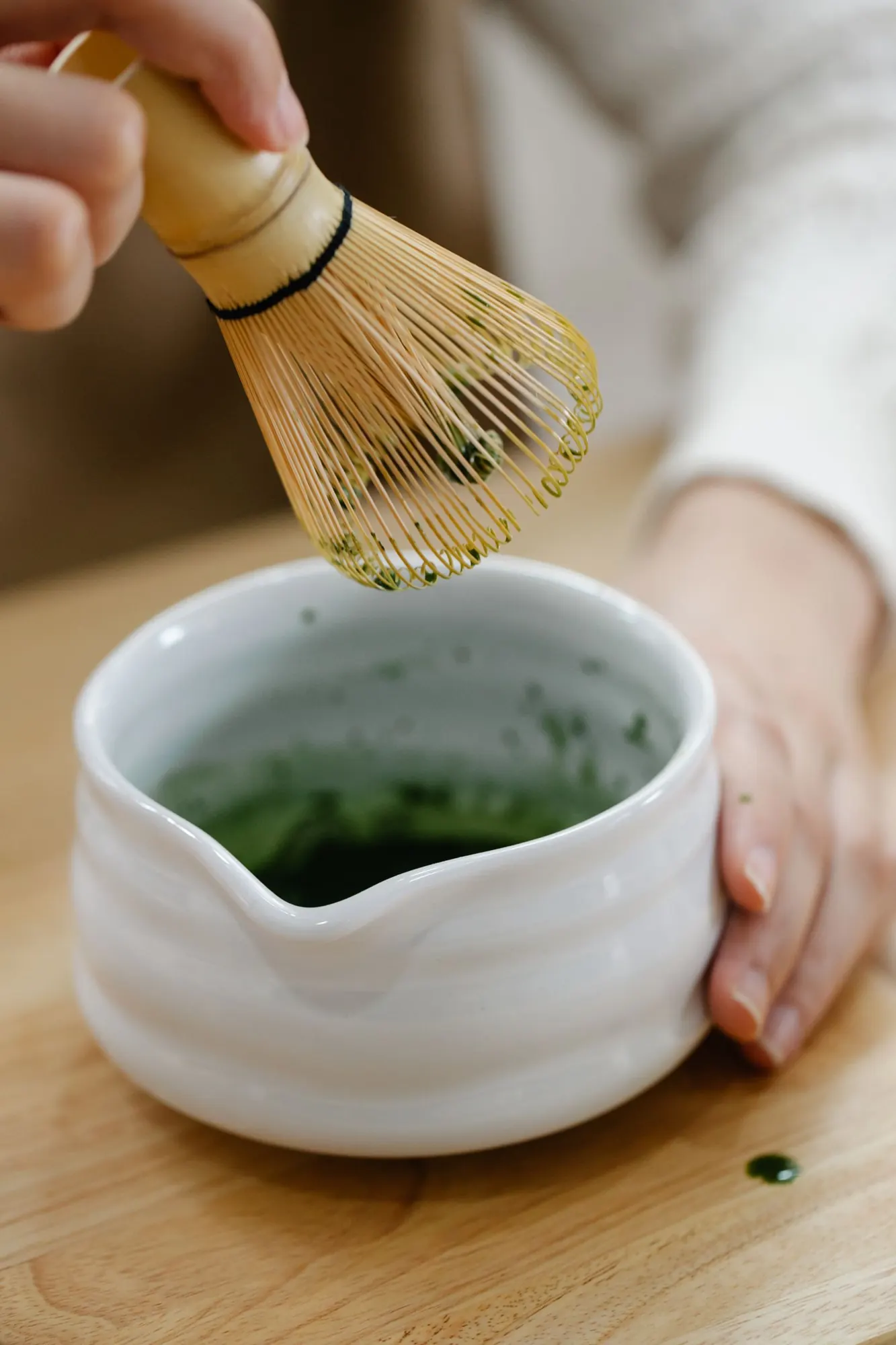
And an hour north, in a temple on Jingshan, a ceremony was formalised eight hundred years ago that later crossed the sea and became the Japanese tea ceremony. Tea here is both an everyday drink and a form of discipline.

Walk a terrace, watch a grower stir leaves in a hot wok by feel, and drink what you helped make.

Sit in a temple hall where a ceremony began eight hundred years ago — and drink it in silence.
Tea needed objects: a seal to mark a painting, a guqin for the quiet hours, a doctor who understood the season. In old Hangzhou these were not crafts but the everyday tools of a cultivated life. All three can still be found within a few lanes of each other behind the lake — which is why this chapter fits comfortably into a single afternoon.
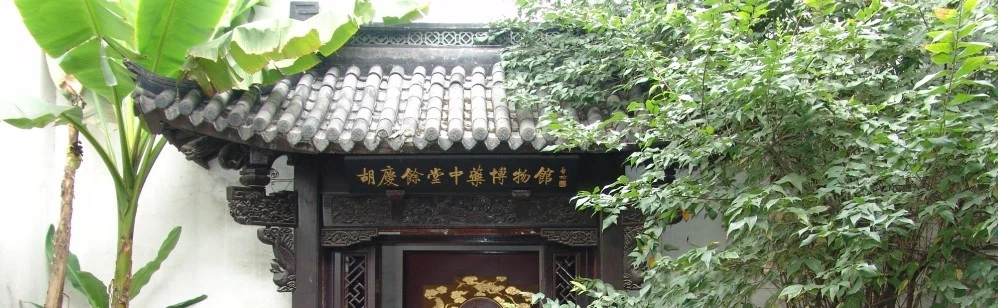
The last of the three is also where our two lines of work meet naturally. At Hu Qing Yu Tang you will make a sachet and drink a medicinal tea; a doctor is available in the same room if you wish to talk. Culture first. Care when you need it.

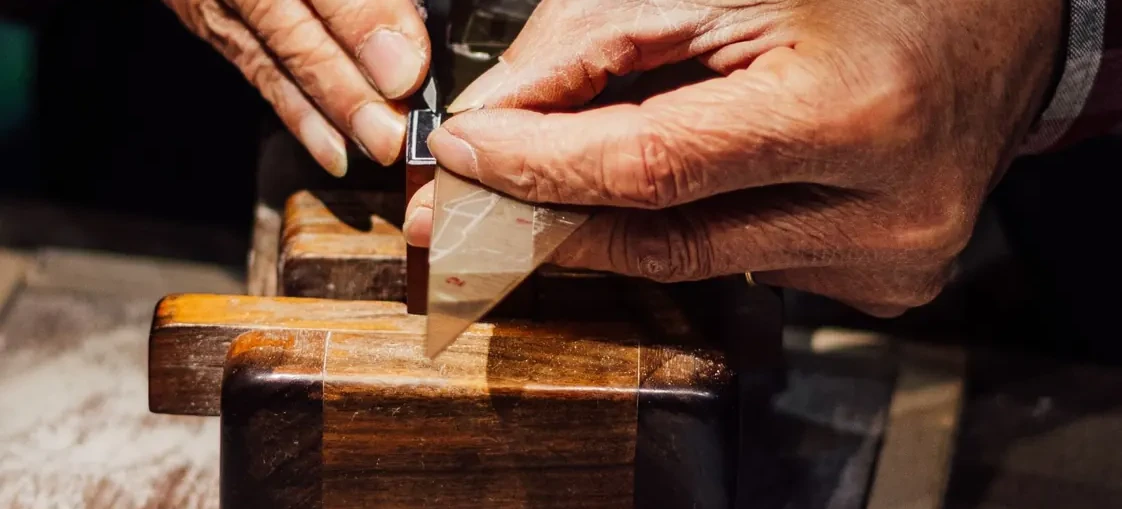
At the most respected seal society in China, cut your own name and press it into red ink.

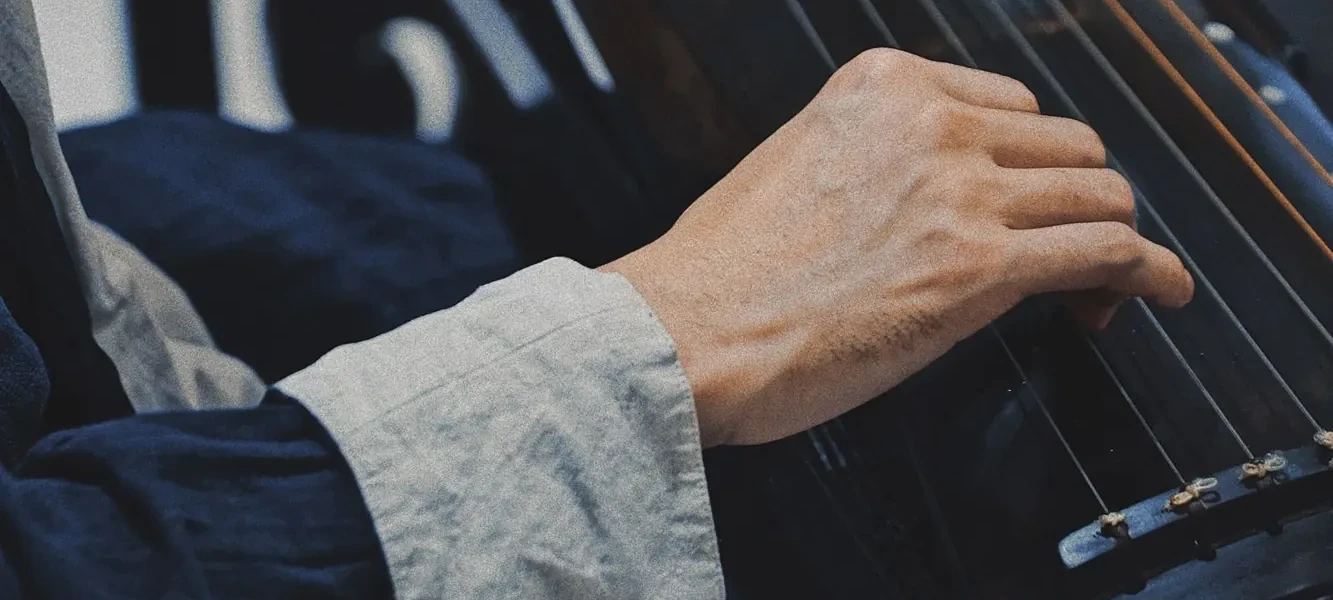
Hear the guqin in a shaded courtyard, then make one note yourself. A sound designed for silence.

In a 150-year-old apothecary, read herbs by smell, blend a sachet for the season, and drink a tea tuned to the weather. A doctor is available in the same room — entirely optional, and the consultation sits between you and them.
"Follow the water uphill, then follow it back down to dinner."
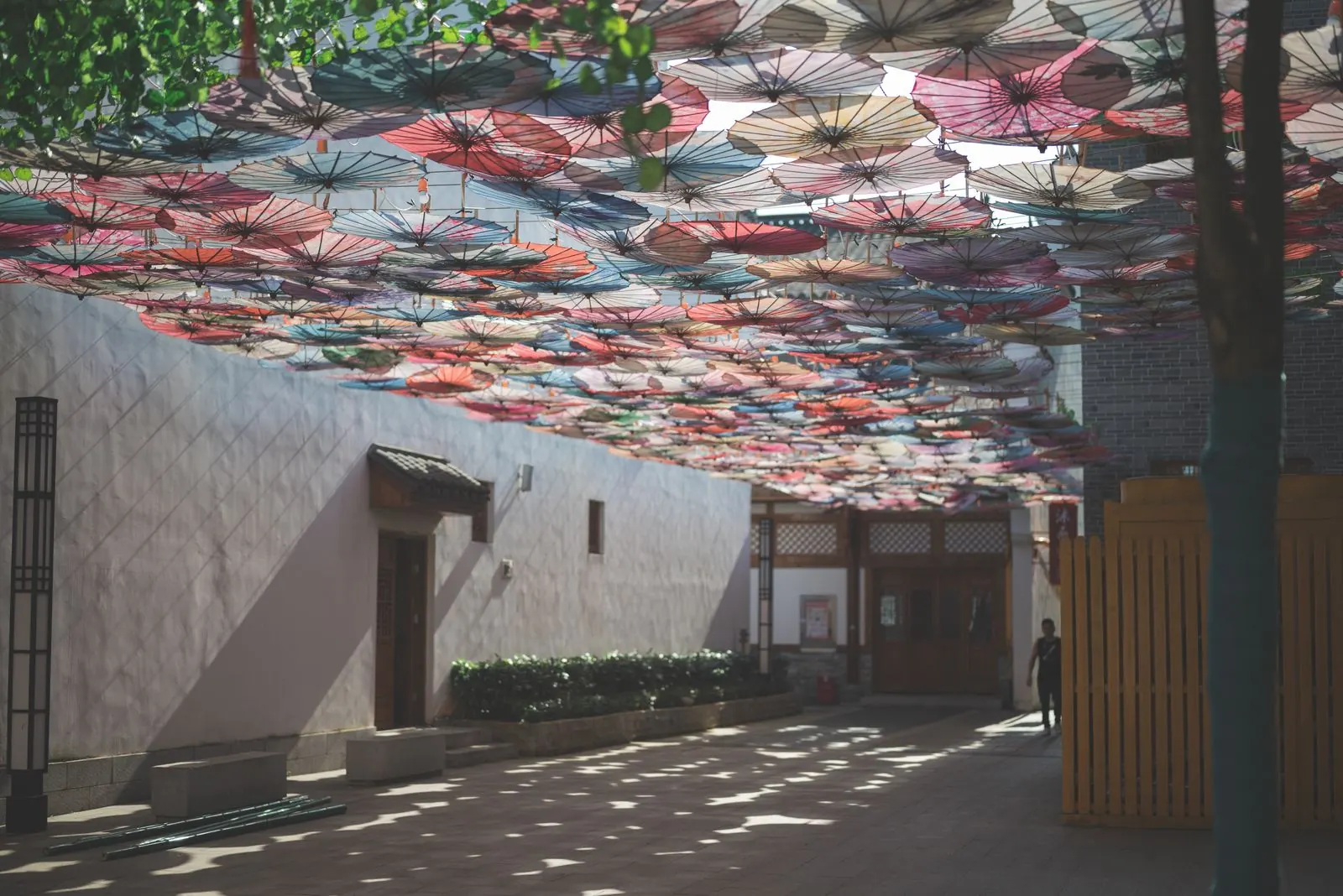
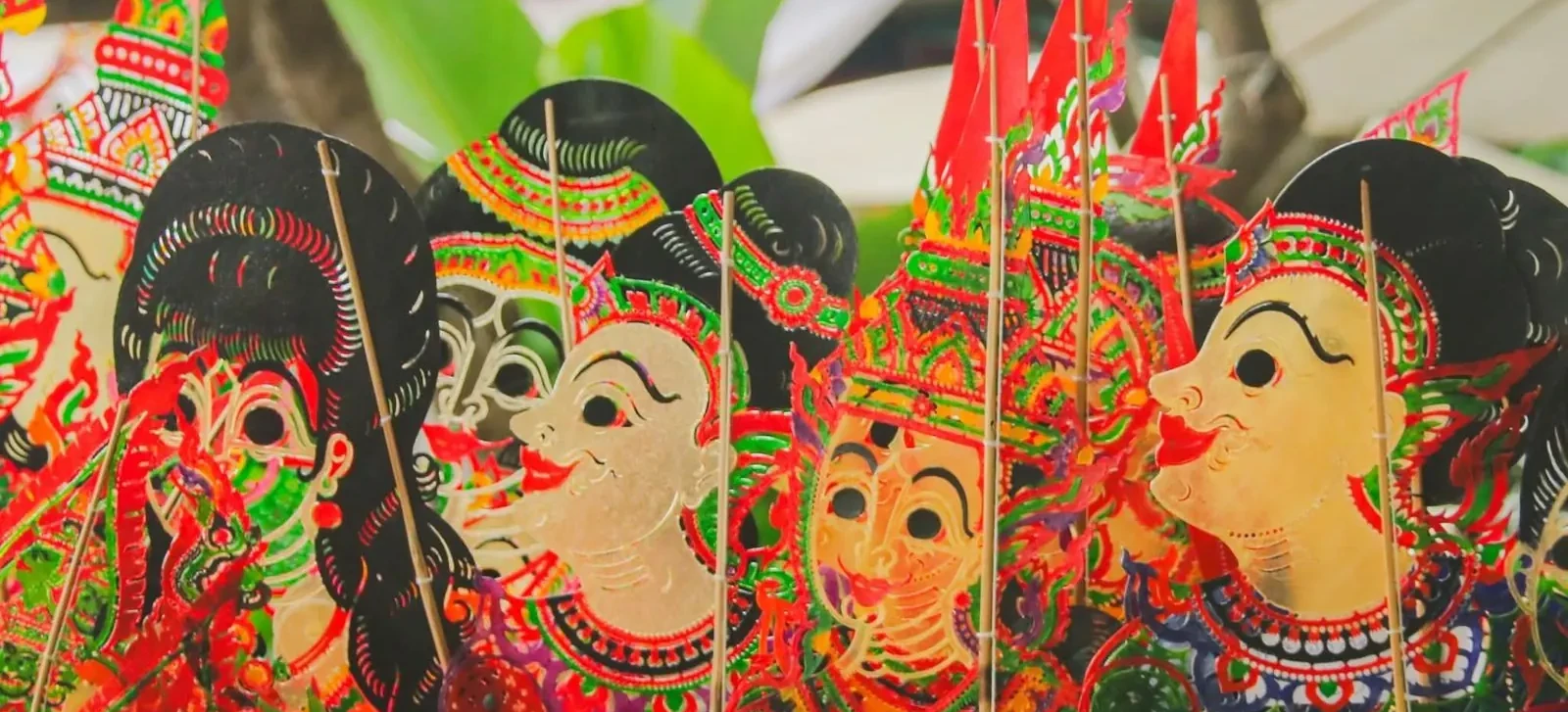
A short drive north of the lake, the city gives way to hills and villages. Here a national master makes silk parasols in a workshop of twenty seats. In another village, a family puts on a shadow-puppet show that came south with a Song dynasty court nine hundred years ago — and still cuts the figures by hand.
These two are the furthest from the centre and the most particular. Both are limited in number; both are led by the person who actually does the work. They are the experiences our guests most often describe afterwards as "the thing I didn't expect".

A national master's hillside studio. Learn multi-colour stencil printing and take home the parasol you printed.

A family that kept shadow puppetry alive in a village hall. Watch a show, then cut a figure of your own.
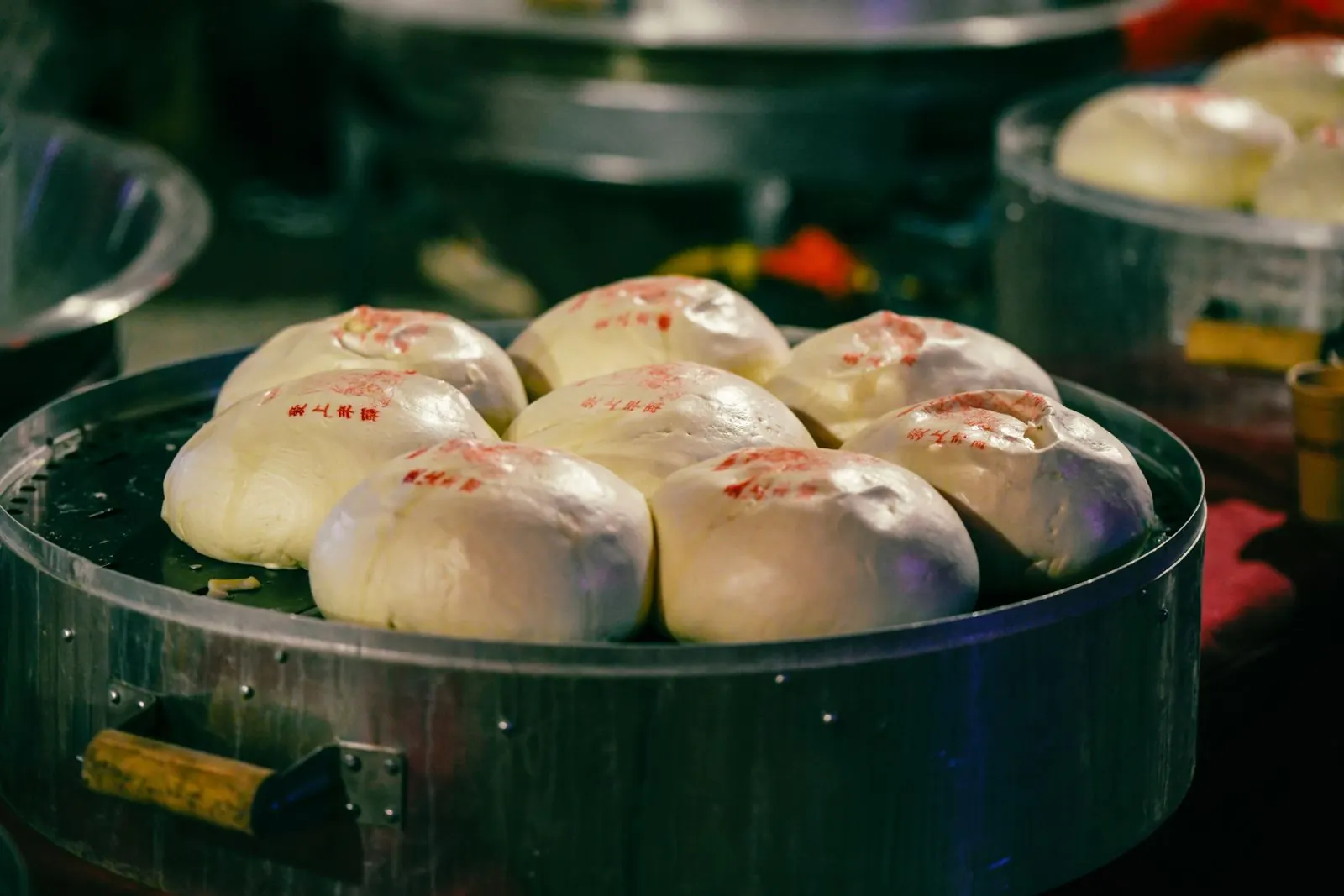
Every road in Hangzhou eventually leads to a meal. The last chapter is the least photographed and the most remembered: rice cake pounded in a village south of the city, a hot tofu bun on a river town street. Neither was designed for visitors. That is exactly why they are here.

Pound glutinous rice with a wooden mallet, shape a cake, and eat it warm with tea. Take some home.

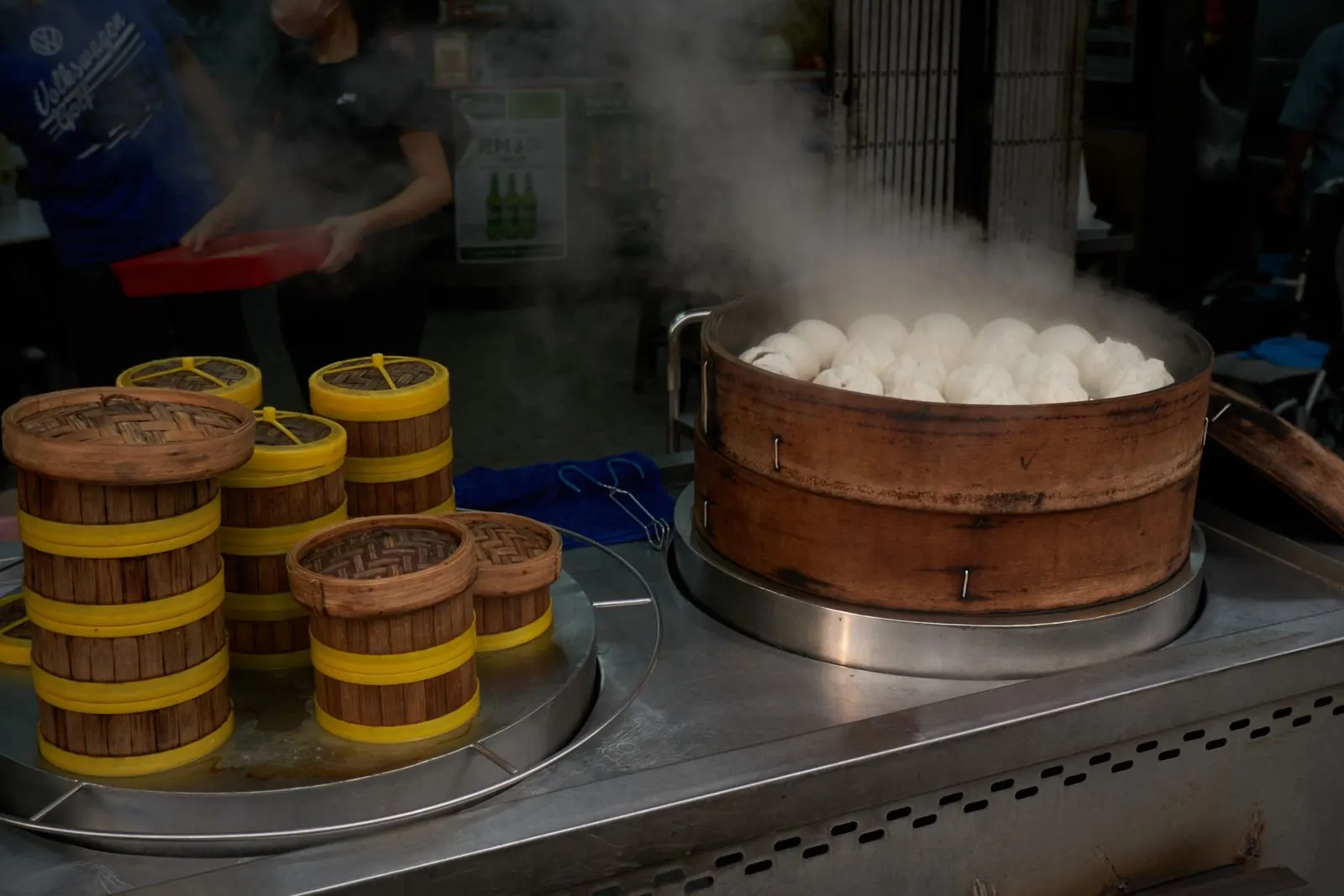
Learn the pleat from a cook who has done it before sunrise for twenty years. Eat it immediately, and carefully.
The nine experiences can be taken alone, or combined. These are the combinations our companions most often build for guests, arranged by how much time you actually have.
Prices are indicative pending final pricing. Routes can be rebuilt around your interests — tell us what you want to make and we will arrange the day.
High-speed rail from Shanghai Hongqiao to Hangzhou East takes about 50–60 minutes, with frequent departures. Your companion can meet you at the station.
The lake, the scholar's lane and Hu Qing Yu Tang are within walking distance of each other. Tea hills are 30 minutes by car; the hillside workshops 40–60 minutes.
Jishan (Xiaoshan) is about 50 minutes; Jiande about 90 minutes. We include transport for full-day experiences and tell you honestly when a short transit window will not fit.
Visa-free entry currently covers tourism, business, family visits and medical treatment. Study and work still require the appropriate visa in advance. Each experience page states which stay length it fits.
Every experience includes a bilingual companion. No Chinese is needed, and we do not filter out the parts that need translation.
Free cancellation up to 24 hours before each experience. If a maker is unavailable, we offer another date or a full refund.
SinoRoute connects you to medical resources and accompanies you. We do not diagnose, treat or give medical advice. At Hu Qing Yu Tang, any consultation is between you and the doctor.
All nine experiences are on one page, with full itineraries and reservations.
VIEW ALL 9 EXPERIENCES →